Moving On, Pt. I

61584_10203919394081522_6170627303497542611_n by L. Chris Cannida, LPC – July 29, 2014

When do you know it’s time to let go of a particular behavior, thought pattern, or emotion? How do you decide when it’s time to release a resentment or fear, practice forgiveness, and experience mental or spiritual peace? How do you know when you’re ready to move on from the effects of an event that seemed to make time stand still in your life? For that matter, even when you decide that time has come, do you know how to move forward?

Moving can be a challenge. Especially when it comes to thoughts and emotions.

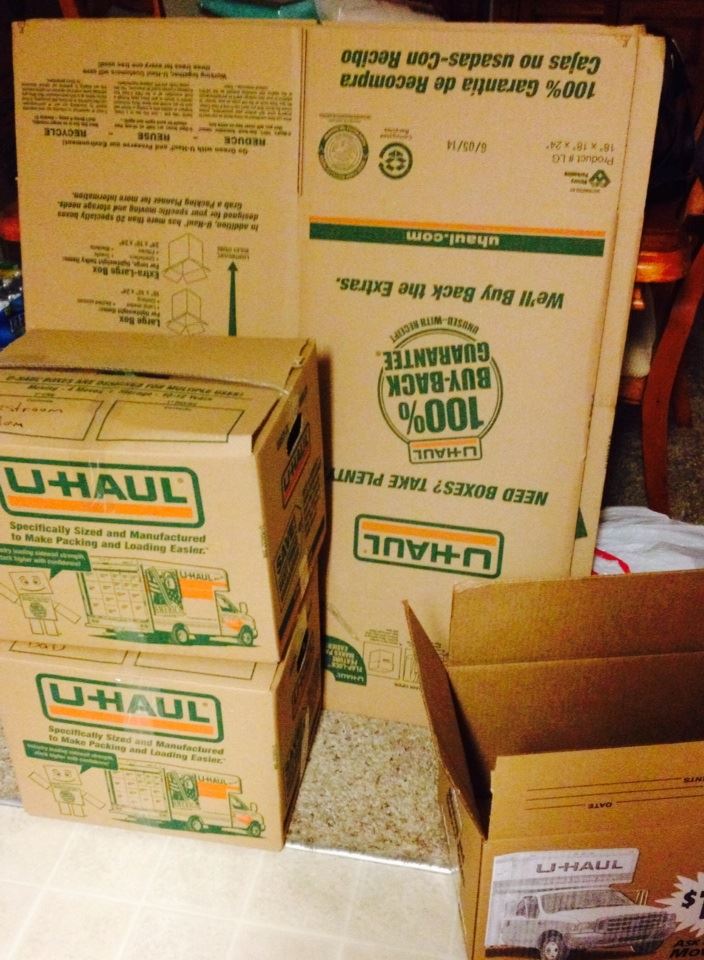
My family recently began preparing for a major move from our current home to another state.  If you’ve ever made a major move, you know it can be a daunting task deciding what you’ll take with you and what you might leave behind.  My own moving experience had me reflecting on how we decide when it’s time to move on from certain painful events in our lives, letting go of lingering effects while holding on to anything useful from that event.  More importantly, how do we decide to move out of ourselves the unnecessary  thoughts and emotions we’ve collected that may no longer serve a purpose?  Over the years I’ve learned there are two basic “moving styles” – I’ll call them “reactive” vs. “proactive”. Reactive movers take a “Hey, we’re moving! Woohoo! Let’s just pack up and go!” approach, throwing every item – down to that receipt for dinner 16 years ago – into a garbage bag and off they go onto the next adventure. They have every intention of sorting through the mess once arrived to the new location, though settling into new surroundings quickly becomes distracting and they never get around to that cleansing. If you move more than once in a lifetime (which most of us do), this results in dragging with you a lot of unnecessary baggage. I’ve been told the benefit of this style is that “you don’t have to take time worrying about what stays and goes”. It’s a streamlined, quick approach to getting from one point to the next. Proactive movers take a more methodic approach. They begin sorting through all of their belongings in advance of actually packing so they can rid themselves of any unnecessary baggage before they move forward – specifically, so they can move forward more freely.  Once they arrive to the new destination, settling in is easier and space has been created for all the new that is waiting to be realized and collected. I’ve tried both styles and can clearly state I will always prefer being a proactive mover – both with my physical belongings and my thoughts and emotions.

I’ve tried living with the unnecessary baggage of fears that held me back and resentments that held me down.  My life became heavier from all the extra weight.  

Though being a psychotherapist I have the “inside track” on how to move unwanted thoughts and feelings through me and on out the psychological doorway, it sometimes doesn’t make it any easier.  For many this can be a repeatedly frustrating endeavor as those extras hang around in their hearts and minds for years.  Research on the connection between psychological stress and physical ailments suggests strong connections between the weight of unnecessary emotions and the toll taken on our physical health.   Learning how to move unneeded thoughts and emotions out of our beings may literally be a lifesaver for some.  I’ve learned a few things about that process from my own life lessons, from clients, and from watching the natural way the world moves around us.  My life’s work largely depends on my skill in helping others learn how to pack up and move the result of life’s burdens out of their minds and from their hearts and souls, releasing the chemical effects of those burdens through their bodies, so that they can move forward freely.  In a few days, and provided my own physical move goes as planned, I ask you to join me in Moving, Part II, as I explore steps you can take in learning how to Move On.  

In the meantime, take the first step and make a list of any behavior, thought, or feeling you’re just not sure you want as a permanent fixture in your life.  At the top of my list is procrastination!  For now I am returning to my own moving on experience, hopefully to gain some tips I can pass on to you.


Posted in Counseling and Mental Health | Leave a comment

My Therapist Has Left the Building

Office

by L. Chris Cannida, LPC

So you stepped out in faith (or desperation) and decided to trust someone. You entered psychotherapy. You hadn’t trusted someone with that deepest part of you for so long, if ever, and it felt like psychological Olympics to begin opening up. It seemed to work and you began to feel a connection with this person who allowed you to visit her(his) office weekly and talk about some of the most painful experiences of your life. Then, one day the therapist announced that she(he) was leaving their practice. The news felt like someone had just pushed you down and stomped on your heart. Now what?

For many people, entering psychotherapy is a big decision. It is an investment in time, money, and emotional energy as you start to unfold the events of your life in front of, what starts out as, a total stranger. One day you find yourself making a disclosure followed by “I’ve never told anyone that before”. It is understandable that, having exposed so much of your inner self, you might feel a sense of abandonment when the therapist announces their exit from your life. After all, the two of you are not friends outside the therapy office and most likely will not be remaining connected through Facebook, weekend phone chats, or intimate hallmark card exchanges. Why then, does it hurt so bad? What are you supposed to do with the grief you inevitably feel?  Recently, I became that therapist announcing she was leaving her practice after life events of my own dictated my family relocate to another state.

Consider the following tips for helping you move through your grief and fear of starting again with someone new.

It’s normal to grieve any loss we experience. The grief you feel over ending the connection with your therapist is normal. Even though she(he) may have reminded you that the relationship you had was professional and not personal, the connection you felt with this person was most likely real. Let yourself feel the emotions. This grief is a sign that you’re alive and that you have the capacity to connect meaningfully with another human being. For some, this feeling is all too rare and can be a healing all its own when it comes along.

Talk about your feelings with the therapist. Unless your therapist is leaving a practice due to an accident or sudden illness, there may be the opportunity for at least several sessions to bring closure with this relationship. If your therapist offers these closure sessions to you, take them! Some clients will be tempted to run from this chance in order to avoid the discomfort of saying farewell. However, you deserve the chance to know you can experience these emotions and survive. And you will survive! Most importantly, express any and all of your feelings about the closure to your therapist. She(He) has been trained to help you work through all you’re feeling. Remember, you began trusting this person because of their capacity to sit with you in your pain. Just know that grief may include more than sorrow. You may be feeling angry. This relationship ending may remind you of other painful endings you’ve experienced in your life. You may feel discouraged and fear that you’ll not have this type of trust with another professional. All of these emotions are expected and you deserve the chance to express them.

Bring closure by celebrating how far you’ve come. Your therapist may suggest that the two of you review the ground you’ve covered during your time together. Take the chance to acknowledge any personal growth, healing, or recovery you’ve experienced while in therapy. If there is more work to be done, spend some time considering what else you may need from the therapy process and ways you can clearly communicate those needs to a new therapist. Your exiting therapist may be the perfect person to place perspective on your healing and help you see your own needs clearly. Maybe you’ll decide it’s time for a break from the process to see how well you can fly on your own. Either way, it’s a healthy practice in self-awareness to consider where you’ve been on your growth journey and where you need to travel next.

Continue your therapy work if needed. Don’t Stop! If you know, and especially if your exiting therapist concurs, that you have more work to be done in the therapy space, go for it. It may be tempting to stop the process because you fear trusting another new person. Remember, when you first started with your exiting therapist, you most likely had those same reservations. And look, here you are, having moved past those fears to the point that you trust her(him) so much you hate to seem them go.

Know that it’s because of who you are that you’ve progressed, not just because of who your therapist might be.

Place your therapist’s exit in perspective. While you are losing a resource that has become important, remind yourself that your therapist is not leaving you personally. Life can happen suddenly for anyone – therapists included. It is unlikely that you had anything to do with your therapist’s exit. In fact, it is possible that your therapist is experiencing a certain level of loss as well. Even though she(he) has received monetary compensation for the time spent with you, it is difficult not to develop a sincere compassion and connection with someone who has offered themselves in trust and intimate disclosures. Trust me, therapists (the wise ones anyway) seek consult from colleagues in order to cope with feelings of loss when clients disappear from the therapy space or when they are forced to leave a practice or agency where they had witnessed the significant growth of others.

Your therapist trusts she(he) is not the only one who can help you.  They need you to trust that, too.

It is an extremely powerful experience to witness someone (a client) move from a place of severe psychological pain to a position of triumph over a burdensome life. I have felt overwhelming honor in watching clients heal from horrendous events or miraculously change themselves at the very core. If you have been one of those clients for your own therapist and she(he) is now leaving their practice for a new chapter in life, take solace and know this is a new chapter for you, too. Use that power you garnered to continue on with your healing, your growth, your story.

Posted in Counseling and Mental Health | 2 Comments